The landscape of visual communication has dramatically shifted, empowering creators to generate stunning AI images from simple text prompts. Gone are the days of complex software mastery or lengthy design cycles; cutting-edge ai image creation platforms now instantly translate visionary concepts—from hyper-realistic architectural renderings to abstract marketing visuals—into high-fidelity artwork. This rapid evolution, exemplified by models like Midjourney and Stable Diffusion, democratizes design, allowing entrepreneurs, marketers. artists alike to accelerate ideation and produce captivating visuals without extensive technical skills. Unlock unparalleled creative freedom and manifest your wildest imaginations into tangible digital art with unprecedented speed and precision. 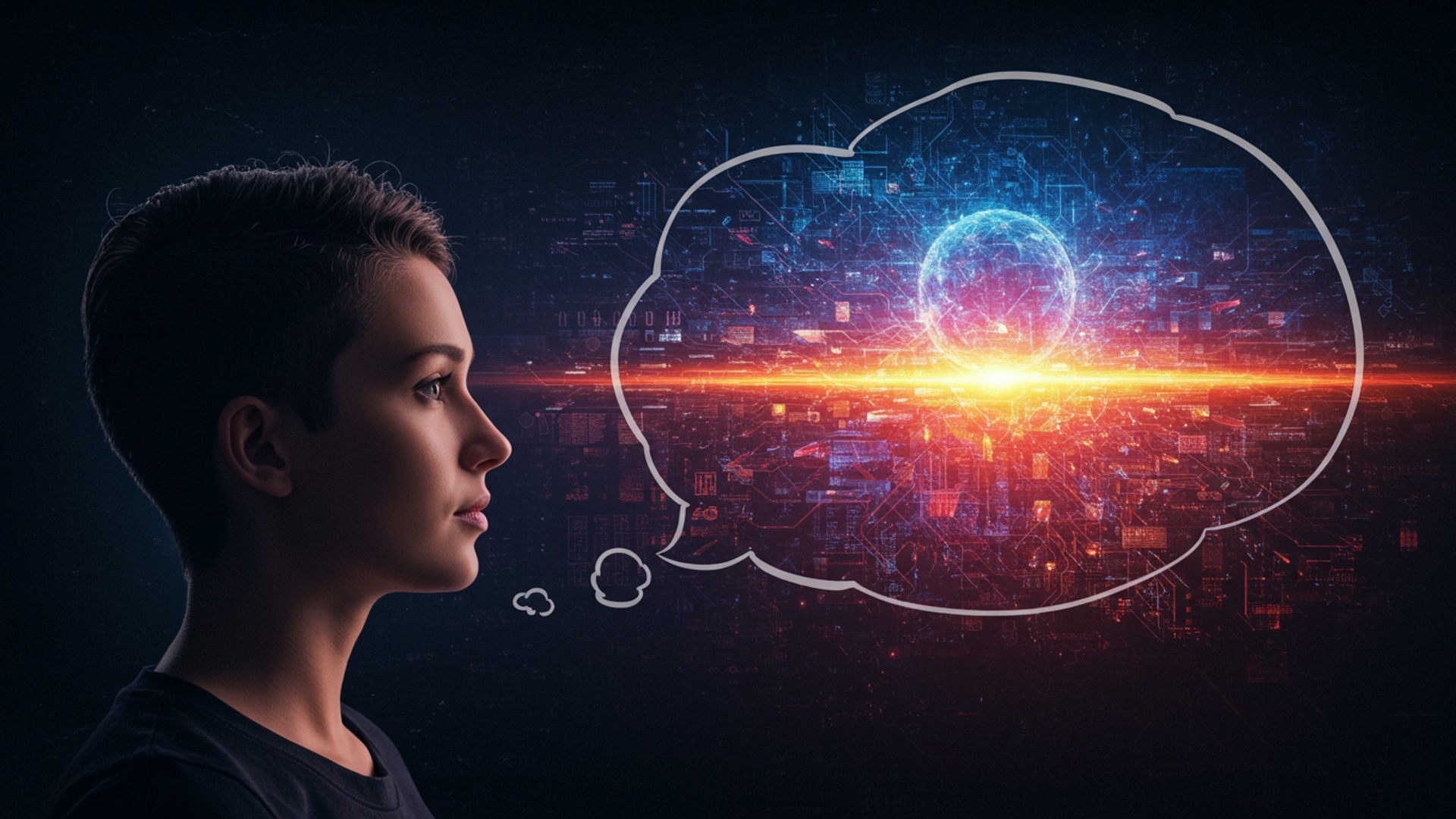
Understanding AI Image Creation: The Dawn of Visual Imagination
In an era increasingly shaped by artificial intelligence, the ability to conjure images from mere words has transitioned from science fiction to everyday reality. AI image creation, at its core, involves using sophisticated artificial intelligence models to generate visual content based on textual descriptions, often called “prompts.” This revolutionary technology empowers individuals and professionals alike to visualize concepts, design unique assets. explore creative avenues that were once constrained by traditional artistic skills or extensive software knowledge.
The journey of AI image creation began with simpler algorithms capable of minor image manipulations, evolving rapidly with the advent of deep learning. Today’s generative AI models can produce photorealistic images, abstract art, stylistic illustrations. everything in between, offering an unparalleled tool for creative expression and practical application across numerous fields.
The Magic Behind the Pixels: How AI Models Generate Images
The process of AI image creation relies on complex neural networks trained on vast datasets of images and their corresponding textual descriptions. While various architectures exist, two prominent types have dominated the scene:
- Generative Adversarial Networks (GANs)
- Diffusion Models
Introduced by Ian Goodfellow and his colleagues in 2014, GANs consist of two competing neural networks: a Generator and a Discriminator. The Generator creates new images, while the Discriminator tries to determine if an image is real or fake. Through this adversarial process, both networks improve, with the Generator eventually learning to produce highly realistic images that can fool the Discriminator.
More recently, diffusion models have gained significant traction for their ability to generate high-quality and diverse images. These models work by learning to reverse a process of gradually adding noise to an image. Essentially, they start with pure noise and then “denoise” it step by step, guided by a text prompt, until a coherent image emerges. This iterative refinement allows for exceptional detail and coherence.
These models interpret the nuances of your prompt, drawing upon the patterns and relationships learned from billions of images. When you enter a description, the AI doesn’t just pull an image from a database; it constructs a brand new one, pixel by pixel, based on its understanding of your words.
The Art of Prompt Engineering: Speaking the AI’s Language
The quality of your AI-generated image is directly proportional to the quality of your prompt. Prompt engineering is the skill of crafting effective text inputs that guide the AI to produce desired visual outcomes. It’s less about coding and more about clear, descriptive communication. Think of it as giving precise instructions to a highly imaginative artist.
Key elements of a good prompt often include:
- Subject
- Action/Context
- Style/Artistic Influence
- Details/Attributes
- Quality Modifiers
What is the main focus of the image? (e. g. , “a majestic lion”)
What is the subject doing, or what is its environment? (e. g. , “roaming through a savanna at sunset”)
What aesthetic should the image have? (e. g. , “oil painting,” “cyberpunk,” “photorealistic,” “in the style of Van Gogh”)
Specific features, colors, lighting, or camera angles. (e. g. , “golden hour lighting,” “ultra-wide angle,” “intricate details,” “vibrant colors”)
Words that emphasize image fidelity. (e. g. , “8k,” “highly detailed,” “cinematic,” “award-winning photography”)
For example, a simple prompt like
a cat
might yield a generic image. But, a more refined prompt such as
A fluffy Siamese cat with sapphire blue eyes, sitting gracefully on a velvet cushion, in a sun-drenched Victorian living room, photorealistic, intricate details, soft lighting, 8k, ultra-detailed
will guide the AI to create a much more specific and high-quality image. Mastering prompt engineering is crucial for effective ai image creation.
Popular Tools for AI Image Creation: Your Digital Canvas
The landscape of AI image creation tools is rapidly evolving, with several platforms standing out for their capabilities and user experience. Here’s a brief look at some of the most popular:
- Midjourney
- DALL-E (by OpenAI)
- Stable Diffusion
- Adobe Firefly
Renowned for its artistic and often surreal outputs, Midjourney excels at generating visually stunning images with a distinctive aesthetic. It primarily operates through Discord commands, making it accessible but requiring a slight learning curve.
One of the pioneers in the field, DALL-E is known for its versatility and ability to generate images from diverse and complex prompts. It often produces more literal interpretations of prompts, making it excellent for specific conceptualizations.
An open-source model, Stable Diffusion offers immense flexibility and can be run locally on powerful computers or accessed through various online interfaces. Its open-source nature has fostered a vibrant community developing numerous custom models and extensions.
Integrated into Adobe’s creative suite, Firefly focuses on generative fill, text-to-image. other creative features, aiming to seamlessly blend AI capabilities into professional workflows.
Each tool has its strengths and preferred artistic tendencies, offering different experiences for ai image creation.
Getting Started with AI Image Creation: A Step-by-Step Guide
Ready to transform your ideas? Here’s how you can dive into AI image creation:
- Choose Your Tool
- Brainstorm Your Idea
- Craft Your Prompt
- Generate and Iterate
For beginners, web-based tools like DALL-E, Adobe Firefly, or even the free tiers of platforms offering Stable Diffusion (e. g. , Lexica. art, Playground AI) are excellent starting points. Midjourney also offers a user-friendly Discord interface.
What do you want to create? Be specific. Instead of “a dog,” think “a golden retriever puppy playing in a field of sunflowers.”
Start simple, then add details. Think about subject, action, environment, style. desired quality. Experiment with synonyms and descriptive adjectives.
Input your prompt and generate the image. Don’t be discouraged if the first attempt isn’t perfect. This is where iteration comes in. examine the results:
- Did the AI miss something? Add it to the prompt.
- Is the style wrong? Specify a different one.
- Is it too bland? Add “vibrant colors,” “cinematic lighting,” or “highly detailed.”
Many tools offer “negative prompts” (telling the AI what not to include), aspect ratio controls. seed numbers for reproducibility.
My personal experience, like many others, involved a lot of trial and error. I remember trying to generate a “futuristic cityscape” and initially getting a very flat, uninspired image. It wasn’t until I added specific details like “neon glow,” “flying vehicles,” “rain-slicked streets,” and “Blade Runner aesthetic” that the AI truly understood my vision and produced something breathtaking. This iterative process is key to successful ai image creation.
Advanced Techniques for Mastering AI Image Creation
Once you’re comfortable with basic prompting, several advanced techniques can elevate your ai image creation game:
- Negative Prompts
These tell the AI what you explicitly don’t want in your image. For example, if your image consistently has blurry elements, you might add
ugly, blurry, low quality, deformed
to your negative prompt.
Some tools allow you to selectively edit parts of an existing AI-generated image (inpainting) or extend its borders by generating new content beyond the original frame (outpainting). This is incredibly powerful for refinement and expansion.
Instead of starting from scratch with a text prompt, you can provide an initial image and guide the AI to transform it based on your prompt. This is great for stylistic transfers or variations.
This revolutionary addition allows users to exert fine-grained control over the generated image’s composition, pose. depth based on an input image (e. g. , a stick figure drawing, a depth map, or a human pose estimate). It bridges the gap between artistic intent and AI execution.
For users with more technical expertise, training custom models or LoRAs (Low-Rank Adaptation) on specific datasets allows the AI to generate images in a highly personalized style or with specific characters/objects consistently.
Real-World Applications of AI Image Creation
The impact of ai image creation extends far beyond novelties. It’s revolutionizing industries and empowering creatives:
- Graphic Design & Marketing
- Art & Illustration
- Game Development
- Architecture & Interior Design
- Education & Research
- Fashion Design
Quickly generate unique marketing materials, social media graphics, product mockups. conceptual art without needing extensive design skills or stock photo libraries. A small business owner, for instance, can rapidly create visuals for their online store.
Artists are using AI as a powerful co-creator, generating initial concepts, exploring different styles, or even creating entire pieces. It expands the boundaries of traditional artistic expression.
Designers can rapidly prototype environments, characters. textures, significantly accelerating the ideation and asset creation phases.
Visualize design concepts, explore different material palettes. generate realistic renderings of proposed spaces in minutes.
Create custom visual aids for learning materials, scientific illustrations, or conceptual diagrams to explain complex topics.
Generate clothing designs, patterns. fabric textures, allowing designers to iterate on ideas much faster.
A notable example is how independent game developers are leveraging AI image creation tools to produce high-quality concept art and even in-game assets, allowing them to compete with larger studios with significantly smaller budgets. Similarly, content creators use AI to generate endless variations of thumbnails and banner images, optimizing their online presence.
Comparing AI Image Creation Tools: A Quick Look
Choosing the right tool depends on your needs, budget. desired aesthetic. Here’s a simplified comparison:
| Feature | Midjourney | DALL-E 3 | Stable Diffusion (e. g. , via Playground AI) | Adobe Firefly |
|---|---|---|---|---|
| Primary Interface | Discord Bot | Web Interface (often integrated into ChatGPT Plus) | Web Interfaces, Local Software | Web Interface, Adobe Apps |
| Aesthetic Tendency | Highly artistic, often surreal, cinematic | Versatile, good for literal concepts, photorealistic | Extremely versatile, depends on model/finetune, open-source community | Creative, integrated with design workflows, strong on text effects |
| Control Options | Parameters in prompt, “remix” mode | Detailed prompting, often simpler interface | Extensive (ControlNet, inpainting, outpainting, custom models) | Generative fill, text effects, inpainting/outpainting |
| Ease of Use (Beginner) | Moderate (Discord commands) | High | Varies by platform (some high, local can be complex) | High |
| Cost Model | Subscription (free trial limited) | Credits or subscription (e. g. , ChatGPT Plus) | Free tiers widely available, local is free (hardware cost) | Subscription (part of Creative Cloud) |
| Target Audience | Artists, hobbyists, designers seeking unique visuals | General users, content creators, marketers | Developers, advanced users, artists seeking customization | Designers, creative professionals |
Ethical Considerations and Responsible AI Image Creation
As with any powerful technology, AI image creation comes with ethical responsibilities. It’s crucial to be aware of and address these issues:
- Copyright and Attribution
- Bias in Datasets
- Misinformation and Deepfakes
- Job Displacement
The legal landscape around AI-generated art is still evolving. While some jurisdictions may not grant copyright to purely AI-generated works, understanding the terms of service for each tool and respecting existing copyrights when using source material is essential.
AI models are trained on vast datasets. if those datasets contain biases (e. g. , underrepresentation of certain demographics or overrepresentation of stereotypes), the AI-generated images will reflect and perpetuate those biases. Users should be mindful of this and actively try to mitigate it through careful prompting.
The ability to create photorealistic images raises concerns about generating deceptive content. Responsible use dictates that AI should not be used to create misleading or harmful imagery.
While AI image creation can augment human creativity, it also sparks discussions about its potential impact on traditional artistic and design professions. The focus should be on how AI can be a tool for empowerment rather than replacement.
As a community, we must advocate for transparency, develop ethical guidelines. educate ourselves on the responsible use of these incredible tools. The future of ai image creation is not just about what we can generate. how we choose to wield this immense creative power.
Conclusion
You’ve now grasped the incredible power of instantly transforming abstract ideas into stunning AI images. The key isn’t just knowing the tools. truly understanding how to speak the AI’s language. My personal tip is to treat every prompt as a mini-story: instead of a vague “forest,” visualize “a mystical ancient forest at dawn, shafts of golden light filtering through a dense canopy, with bioluminescent flora subtly glowing, hyper-realistic, cinematic.” This reflects the current trend where descriptive nuance, not just keywords, unlocks truly unique visual narratives, much like the advanced capabilities seen in models like Midjourney’s latest iterations. Therefore, embrace the iterative process. Don’t be afraid to experiment; I’ve found that refining a prompt by adding a single descriptive adjective or adjusting the lighting can completely elevate an image. Your unique perspective is the invaluable ingredient that guides the AI from a simple prompt to a masterpiece. As you embark on this creative journey, remember that the canvas is infinite. your imagination is the only limit. Keep exploring, keep refining your prompts. let your creative spirit soar with every generated image.
More Articles
Unlock Elite AI Results 8 Expert Prompting Strategies
Write Better Prompts Instantly A Simple AI Crafting Tutorial
Master Human AI Teamwork The Secret to Unlocking Next Level Creativity
Elevate Your Storytelling 8 Google Veo 3 Prompting Strategies 
FAQs
What exactly is this ‘AI image creation’ thing?
It’s a super cool tool that takes your written descriptions or ideas and magically turns them into unique, stunning images using artificial intelligence. Think of it as having a digital artist who can visualize anything you type.
How do I actually turn my ideas into pictures?
It’s surprisingly simple! You just type in what you imagine – like ‘a futuristic city at sunset with flying cars’ or ‘a fluffy cat wearing a tiny crown.’ The AI then processes your text and generates an image based on your description, usually in seconds.
Do I need to be an artist or tech wizard to use this?
Not at all! This tool is designed for everyone. No drawing skills, no coding knowledge, just your imagination is required. If you can type, you can create amazing AI images.
What kind of ideas work best for generating images?
The more descriptive you are, the better! Think about colors, styles (like ‘watercolor’ or ‘cyberpunk’), lighting. specific elements. For example, instead of ‘dog,’ try ‘a happy golden retriever puppy playing in a field of sunflowers, watercolor style.’
How fast can I get my images? Is it really instant?
Pretty much! Once you hit generate, the AI usually whips up your image in a matter of seconds, sometimes just a few. It’s incredibly quick, letting you experiment with different ideas without long waits.
Can I create different styles of art with this?
Absolutely! The AI is quite versatile. You can specify styles like ‘oil painting,’ ‘digital art,’ ‘anime,’ ‘photorealistic,’ ‘cartoon,’ ‘sketch,’ and many more. Just include your desired style in your description.
What if the image isn’t quite right? Can I refine it?
Yes! It’s all about iteration. If the first image isn’t perfect, you can tweak your original description, add more details, remove elements, or try a completely different prompt. You can keep generating until you get something you love.