
The landscape of digital content creation underwent a radical transformation with the advent of advanced AI video creation tools, democratizing high-quality production for everyone. No longer requiring extensive technical skills or costly equipment, platforms leveraging generative AI now empower users to convert text prompts into dynamic video sequences, complete with realistic avatars and professional voiceovers in minutes. Recent innovations, such as the photorealistic digital humans generated by Synthesys X or HeyGen’s rapid script-to-video capabilities, highlight this paradigm shift, allowing creators to rapidly iterate on concepts and publish engaging narratives at unprecedented speed. This evolution shifts the creative focus from tedious editing to strategic storytelling, ensuring your message resonates faster than ever.
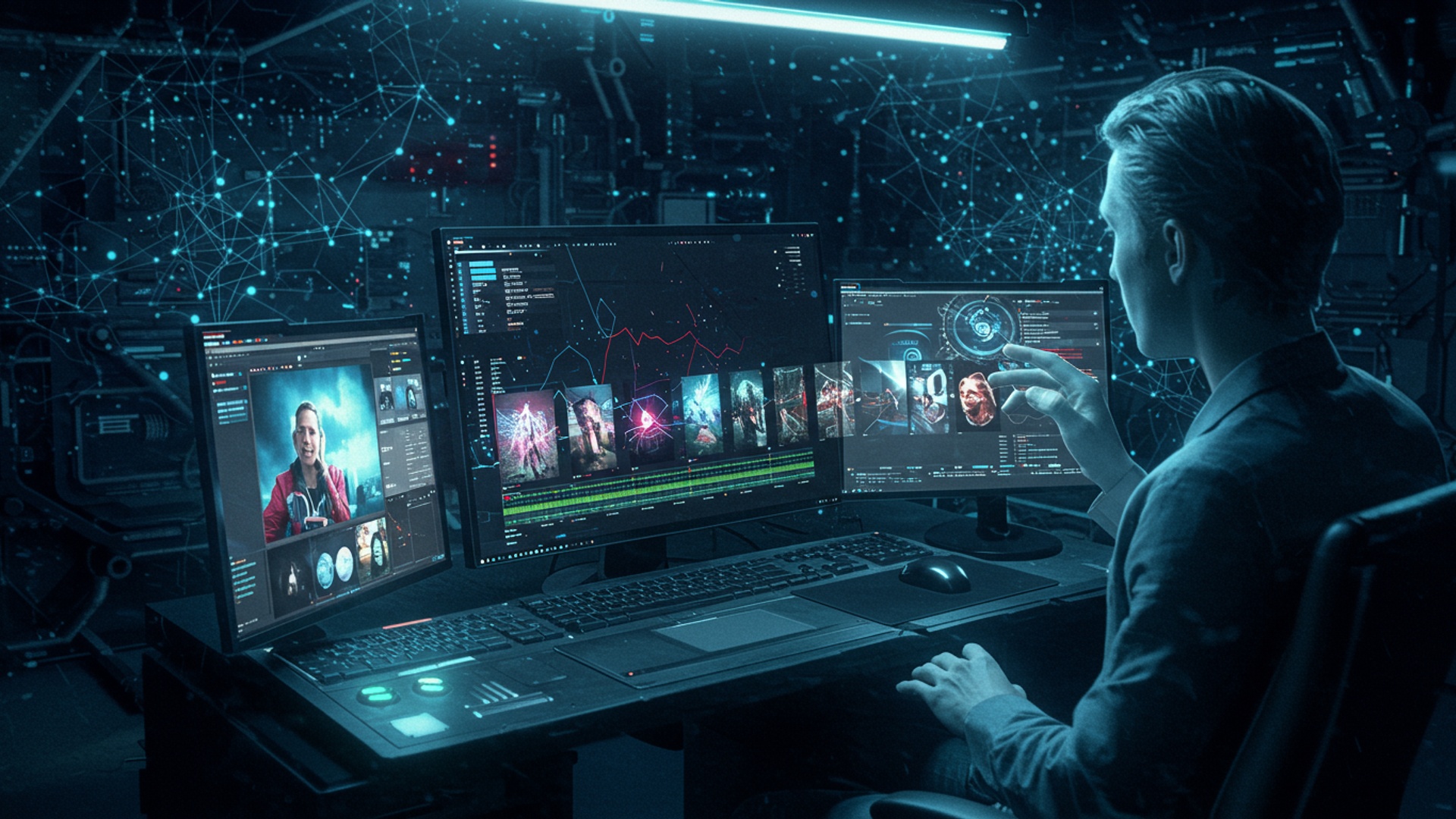
The Dawn of Effortless Video Production: What is AI Video Creation?
In today’s visually-driven world, video content isn’t just a luxury; it’s a necessity for communication, marketing. education. But, traditional video production can be a complex, time-consuming. expensive endeavor, often requiring specialized skills, equipment. a dedicated team. Enter AI video creation – a transformative technology that’s democratizing video production by leveraging artificial intelligence to automate and streamline various stages of the video creation process.
At its core, AI video creation refers to the use of AI algorithms and machine learning models to assist in, or entirely generate, video content. This isn’t just about simple editing; it encompasses everything from scriptwriting and voice-over generation to generating animated characters, selecting B-roll footage. even synthesizing entire video segments from text prompts. The goal is to make professional-quality video accessible to everyone, regardless of their technical expertise or budget, enabling them to create engaging videos fast.
Think of it as having a highly efficient, virtual production assistant that can perform tasks that once took hours or days, in mere minutes. This revolutionary approach significantly reduces the barriers to entry for individuals and businesses looking to harness the power of video.
How AI Powers Video Production: The Core Technologies Behind the Magic
The ability of AI to generate and manipulate video content stems from several sophisticated technological pillars. Understanding these components helps demystify how these tools work and what makes them so powerful for ai video creation.
- Natural Language Processing (NLP)
- Script Generation
- Voice-Over Synthesis (Text-to-Speech – TTS)
- Content Summarization
- Computer Vision (CV)
- Object and Scene Recognition
- Automated Editing
- Facial and Emotion Recognition
- Generative AI
- Text-to-Video
- Image-to-Video
- AI Avatars and Virtual Presenters
- Machine Learning (ML)
- Personalization
- Content Optimization
- Predictive Analytics
This is the AI’s ability to interpret, interpret. generate human language. In AI video creation, NLP is crucial for:
Converting basic ideas or outlines into fully-fledged video scripts.
Transforming written text into natural-sounding spoken audio in various voices and languages.
Extracting key points from longer texts to create concise video summaries.
For example, you might input a blog post. NLP-driven AI can draft a video script summarizing its main points.
Computer Vision allows AI to “see” and interpret visual insights from images and videos. Its applications in video creation include:
Identifying elements within existing footage (e. g. , people, objects, locations) to suggest relevant B-roll or apply effects.
Analyzing video clips to detect vital moments, cut out filler. suggest optimal transitions.
Used in avatar animation to sync lip movements with speech and convey appropriate emotions.
This is arguably the most exciting frontier. Generative AI models can create entirely new content that didn’t exist before.
Generating video clips, scenes, or even full videos from simple text descriptions (e. g. , “a golden retriever running in a park at sunset”).
Animating still images or creating video sequences that evolve from a single picture.
Creating realistic or stylized digital characters that can speak, move. present data based on a script. These avatars can often be customized in appearance, voice. even emotional expression.
ML is the overarching field that enables AI systems to learn from data without explicit programming. All the above technologies rely heavily on ML. In video creation, ML helps:
Analyzing audience data to suggest video styles, topics, or even specific elements that resonate best.
Learning from engagement metrics to recommend improvements for future videos.
Forecasting trends in video content to help creators stay ahead.
These technologies often work in concert, creating a seamless workflow. For instance, an NLP model might generate a script, which then feeds into a TTS model for voice-over, while generative AI creates an avatar to deliver the message, all orchestrated by ML algorithms for optimal output.
Key Features and Capabilities of Modern AI Video Tools
The current landscape of AI video creation tools offers an impressive array of features designed to simplify and accelerate video production. These capabilities empower users to create engaging videos fast, often with minimal effort.
- Script-to-Video Generation
- Text-to-Speech (TTS) and Voice Cloning
- Automated Editing and Scene Composition
- AI Avatars and Virtual Presenters
- Content Repurposing
- Multilingual Localization
- Background and Element Removal/Replacement
This is a cornerstone feature. Users input a text script. the AI automatically selects relevant stock footage, images, music. voice-overs to create a complete video. Some tools even offer suggestions for visual storytelling based on the script’s content.
Beyond standard TTS, many tools offer a wide range of realistic AI voices, including options for different accents, genders. emotional tones. Advanced features include voice cloning, where the AI can learn and replicate a specific human voice from a short audio sample, allowing for consistent branding across content.
AI can review uploaded footage or selected stock media to automatically cut, trim, add transitions. even suggest B-roll footage. It can identify key moments, remove silences. sync visuals with audio, significantly reducing manual editing time.
Instead of hiring actors or appearing on camera yourself, AI tools can generate realistic or animated virtual presenters. These avatars can be customized in appearance and will automatically lip-sync to your script, delivering your message with expressive gestures. This is particularly useful for corporate training, explainer videos, or for creators who prefer not to show their face.
AI excels at transforming existing content formats into video. You can feed a blog post, a podcast audio file, or even a presentation deck into an AI tool. it will generate a video version, complete with visuals, voice-over. music. This is a game-changer for content marketers looking to maximize their reach.
For global reach, AI video tools can translate scripts and generate voice-overs in multiple languages with impressive accuracy. Some even offer AI-powered subtitle generation, making videos accessible to a wider audience without the need for manual translation services.
Tools can automatically remove video backgrounds (like a green screen effect. without the green screen) or isolate objects, allowing for greater creative control and professional-looking results.
Real-World Applications: Who Benefits from AI Video Creation?
The beauty of ai video creation tools lies in their versatility. They’re not just for tech gurus; they’re empowering a diverse range of professionals and organizations. From solo entrepreneurs to large enterprises, the ability to create engaging videos fast is a universal advantage.
- Marketers and Businesses
- Social Media Campaigns
- Product Demos and Explainer Videos
- Internal Communications
- Ad Campaigns
- Educators and E-Learning Platforms
- Course Content Creation
- Tutorials and How-To Guides
- Accessible Learning
- Content Creators and Influencers
- YouTube and Blog Content
- Podcast to Video
- Personal Branding
- Journalists and Media Outlets
- Breaking News Explainers
- Data Visualization Videos
Quickly generate short, engaging videos for platforms like Instagram Reels, TikTok. YouTube Shorts, keeping up with demanding content schedules.
Create clear, concise videos showcasing new products or explaining complex services without extensive production costs. My friend, who runs a small e-commerce store, used an AI tool to turn his product descriptions into animated explainer videos. He saw a 30% increase in conversion rates on those product pages within two months – a testament to the power of visual communication.
Produce training videos, onboarding guides, or company updates efficiently, ensuring consistent messaging across the organization.
Rapidly A/B test different video ad creatives to optimize performance.
Transform lesson plans and lecture notes into engaging video modules, complete with AI-generated presenters and visuals.
Quickly produce step-by-step video instructions for software, crafts, or academic concepts.
Generate videos with multilingual voice-overs and subtitles to cater to diverse student populations.
Repurpose blog posts into video summaries, create quick news updates, or generate intros/outros for their channels, significantly speeding up their workflow.
Convert audio-only podcasts into video formats suitable for YouTube or social media, expanding their audience reach.
Create professional-looking video content to showcase skills, portfolios, or personal stories without needing to invest in expensive gear or learn complex editing software.
Quickly synthesize complex news stories into digestible video formats for online consumption.
Turn dry statistics and reports into compelling visual narratives.
These examples highlight how AI video creation isn’t just a niche tool but a versatile solution addressing a wide spectrum of content needs across various industries. It empowers individuals and teams to amplify their message through video, faster and more effectively than ever before.
A Look Under the Hood: The AI Video Creation Workflow
Understanding the typical workflow for ai video creation can help you visualize how these tools operate and how you can integrate them into your content strategy. While specific steps may vary slightly between platforms, the general process follows a logical sequence, transforming your ideas into engaging video content.
- Input Your Content/Idea
- Text Prompt
- Script Upload
- Audio Upload
- Image/Video Upload
Start with a simple sentence or paragraph describing the video you want (e. g. , “A short video explaining the benefits of meditation for stress reduction”).
Provide a pre-written script, blog post, article, or even bullet points.
Upload an audio file (e. g. , a podcast episode) that you want to visualize.
Provide existing media that you want the AI to incorporate or build upon.
- The AI’s NLP capabilities assess your text for keywords, themes. overall sentiment.
- Based on this analysis, it begins to suggest or generate visuals (stock footage, images, animations), background music. a voice-over script (if not provided).
- If using an AI avatar, it will be selected and prepared to lip-sync with the generated or provided voice-over.
- This is where you, the human creator, add your unique touch. You’ll typically be presented with a draft video.
- Visuals
- Voice-Over
- Script Editing
- Music
- Transitions & Effects
Swap out suggested stock footage, upload your own media, adjust scene layouts, add text overlays. apply brand colors/logos.
Choose from various AI voices, adjust pacing, emphasis. pronunciation. If using your own voice, you might record directly or upload.
Refine the AI-generated script for better flow, clarity, or tone.
Select background music from a library, adjust volume. ensure it syncs with the video’s mood.
Apply specific transitions between scenes or add subtle visual effects.
- Once satisfied with your edits, you’ll preview the entire video to ensure everything is perfect.
- Finally, you export the video in your desired resolution and format (e. g. , MP4), ready for sharing on social media, websites, or presentations.
Just like with AI image generators, the quality of your output in ai video creation often depends on the quality of your input prompt. Here’s a basic structure for an effective prompt:
[Video Type/Goal]: [e. g. , Explainer video, social media ad, tutorial]
[Topic/Subject]: [e. g. , "The benefits of remote work," "How to make sourdough bread"]
[Target Audience]: [e. g. , "Young professionals," "Home bakers," "Small business owners"]
[Key Message/Call to Action]: [e. g. , "Remote work boosts productivity," "Sign up for our newsletter"]
[Desired Tone]: [e. g. , "Informative and engaging," "Fun and energetic," "Serious and authoritative"]
[Specific Visuals/Elements (Optional)]: [e. g. , "Include diverse people working from home," "Show close-ups of dough rising," "Use a friendly female AI avatar"]
[Length (Optional)]: [e. g. , "Around 60 seconds," "Under 2 minutes"]
Video Type: Social media ad
Topic: New AI-powered photo editing app
Target Audience: Amateur photographers, social media influencers
Key Message: Our app makes professional photo editing easy and fast. Download now! Desired Tone: Exciting, innovative, empowering
Specific Visuals: Show a user effortlessly transforming a dull photo into a vibrant one using the app interface. Include a diverse range of photos. Use upbeat music. Length: 30 seconds
The more specific and clear your prompt, the better the AI can interpret your vision and generate relevant content, making the subsequent refinement process much quicker and more efficient.
Comparing Leading AI Video Creation Platforms
The market for ai video creation tools is rapidly expanding, with various platforms offering unique strengths and features. Choosing the right tool depends on your specific needs, budget. desired level of control. Here’s a comparison of some prominent categories and examples:
| Platform Type/Example | Primary Focus | Key Features | Target User | Ease of Use | Pricing Model (General) |
|---|---|---|---|---|---|
| Synthesys X / HeyGen | AI Avatars, Realistic Voice-Overs | High-quality AI avatars (realistic & cartoon), voice cloning, multiple languages, custom branding, AI script assistant. | Businesses, marketers, educators, corporate trainers needing on-screen presenters without actors. | Moderate to High | Subscription-based (credit system often) |
| Pictory / InVideo AI | Script-to-Video, Content Repurposing | Transforms text (scripts, blogs, articles) into video, auto-selects stock media, adds voice-overs & music, automated summaries. | Content creators, marketers, bloggers, small businesses needing quick video generation from existing text. | High | Subscription-based |
| Descript (AI features) | AI-Powered Audio/Video Editing (Text-based) | “Overdub” (voice cloning for editing), automatic transcriptions, text-based video editing (edit video by editing text), filler word removal, studio sound. | Podcasters, video editors, content creators who want to edit audio/video like a document. | Moderate | Freemium, then subscription |
| RunwayML / Pika Labs | Generative AI (Text-to-Video, Image-to-Video) | Advanced generative capabilities, text-to-video, image-to-video, inpainting/outpainting in video, motion brush. Focus on creative control. | Filmmakers, artists, advanced content creators, researchers pushing creative boundaries. | Moderate to High (requires understanding of AI prompting) | Freemium, then subscription (credit system) |
| Simplified | All-in-One Content Creation (AI Video, Design, Writing) | AI video creation, graphic design, AI writing assistant, social media scheduling, brand kit. | Small businesses, social media managers, individuals needing a comprehensive marketing toolkit. | High | Freemium, then subscription |
This table provides a snapshot. Many tools overlap in features. the AI landscape evolves rapidly. It’s always recommended to try free trials where available to see which platform best aligns with your workflow and creative vision for ai video creation.
Actionable Strategies for Maximizing Your AI Video Output
While AI video creation tools are incredibly powerful, they are most effective when used strategically. Here are some actionable takeaways to help you create engaging videos fast and efficiently, ensuring your AI-generated content truly resonates with your audience.
- Start with a Clear Goal and Audience in Mind
- Master the Art of Prompt Engineering (for Generative AI)
- Leverage AI for Efficiency, But Add Your Human Touch
- Curate Your Media Library
- Experiment with Different AI Voices and Avatars
- Repurpose, Repurpose, Repurpose
- interpret Ethical Considerations
- Optimize for Platform
Before you even open an AI tool, define what you want your video to achieve (e. g. , generate leads, educate, entertain) and who you’re speaking to. This clarity will guide your script, visuals. tone, making the AI’s suggestions more relevant. As Dr. Andrew Ng, a leading figure in AI, often emphasizes, “AI is a tool to solve problems, not a solution looking for a problem.”
As discussed in the workflow section, the better your input, the better your output. Experiment with detailed, descriptive prompts. Use keywords, specify styles, tones. even camera angles. Think like a director instructing a crew. For example, instead of “a person working,” try “a young, diverse professional joyfully coding on a laptop in a sunlit home office, shallow depth of field, cinematic lighting.”
AI excels at automating repetitive tasks and generating initial drafts. Don’t simply accept the first output. Review, refine. inject your unique voice, brand personality. nuanced understanding of your audience. This human oversight is crucial for authenticity and avoids the “generic AI video” trap. My own experience using these tools for client marketing campaigns has shown that the videos that perform best are always those where we’ve spent time customizing the AI’s initial output with specific brand elements and a unique narrative twist.
Many AI tools integrate with stock media libraries. But, for a truly branded look, upload your own photos, video clips, logos. custom graphics. This ensures consistency and makes your videos stand out.
Don’t stick to the default. Explore the range of AI voices to find one that best matches your brand’s tone. If using avatars, test different appearances and even emotional expressions. Some tools allow for voice cloning, which can be excellent for maintaining a consistent brand voice, especially for personal brands or company spokespeople.
One of the most powerful aspects of ai video creation is its ability to transform existing content. Turn blog posts into explainer videos, podcasts into animated summaries, or long-form webinars into short social media snippets. This multiplies your content’s reach without significant extra effort.
As AI video creation becomes more sophisticated, it’s vital to be aware of the ethical implications, especially regarding deepfakes and potential misuse. Always be transparent if you’re using AI-generated avatars or voices, especially in sensitive contexts. Ensure your use of AI is responsible and upholds integrity. Credible institutions like the AI Ethics Institute constantly publish guidelines on responsible AI usage; staying informed is key.
Remember that a video for TikTok has different requirements than one for LinkedIn. Adjust aspect ratios, lengths. call-to-actions according to the platform where your video will be published. AI tools often offer presets for various social media platforms.
By combining the speed and efficiency of AI with thoughtful human strategy and creative input, you can unlock the full potential of ai video creation to produce engaging, high-quality videos that achieve your communication goals.
The Future of AI Video Creation: What’s Next?
The field of ai video creation is one of the fastest-evolving areas in technology. What seems groundbreaking today could be standard practice tomorrow. Looking ahead, we can anticipate several exciting developments that will further redefine how we produce and consume video content.
- Hyper-Realistic and Customizable Avatars
- Real-Time Video Generation and Live AI Presenters
- Personalized Video at Scale
- Seamless Integration with Broader AI Ecosystems
- Advanced Creative Control for Generative Models
- Ethical AI Development and Regulation
- “Mind-to-Video” Interfaces
Expect AI avatars to become virtually indistinguishable from real humans, not just in appearance but also in nuanced expressions, gestures. emotional depth. We’ll see more tools allowing for extreme customization, enabling users to create digital twins of themselves or entirely new personas with unprecedented fidelity. The ability to control micro-expressions and body language through simple text prompts will become standard.
Imagine AI generating live video content on the fly, responding to real-time data, audience interaction, or breaking news. This could revolutionize live streaming, virtual events. dynamic news reporting, where AI presenters can deliver updates instantaneously based on incoming data.
The future will see AI creating highly personalized video content for individual viewers. Think of marketing videos where the AI addresses the viewer by name, references their past interactions, or customizes product recommendations based on their browsing history – all generated in real-time. This level of personalization will drive unprecedented engagement.
AI video tools will become even more deeply integrated with other AI capabilities. For instance, an AI assistant could examine your meeting notes, generate a video summary. then automatically schedule its distribution across relevant platforms, all without explicit human intervention.
While current text-to-video models are impressive, future iterations will offer finer control over specific elements within the generated video – from precise camera movements and lighting conditions to the exact style of animation or realism. This will empower artists and filmmakers with incredible new tools for storytelling.
As AI-generated video becomes more sophisticated, the discussions around deepfakes, misinformation. intellectual property will intensify. We can expect significant advancements in AI detection tools (to identify AI-generated content) and increased calls for regulation and ethical guidelines to ensure responsible use of this powerful technology. Organizations like the Partnership on AI are already at the forefront of these discussions, shaping the future of responsible AI.
While speculative, the long-term future might even involve interfaces that translate thoughts or complex concepts directly into video, bypassing the need for scripts or explicit prompts entirely. This would represent the ultimate frontier in effortless content creation.
The trajectory of ai video creation points towards a future where video content is not just easier to make. also more dynamic, personalized. deeply integrated into our daily digital lives. It’s a journey that promises to unlock new levels of creativity and communication for everyone.
Conclusion
The landscape of video creation has dramatically shifted, moving from complex, time-consuming endeavors to remarkably efficient processes, thanks to innovative AI tools. We’ve seen how these advancements, like the burgeoning capabilities in text-to-video generation akin to recent developments such as Google Veo’s impressive outputs, empower creators to transform ideas into engaging visuals with unprecedented speed and quality. This isn’t just about automation; it’s about intelligent assistance that refines scripts, suggests edits. even generates initial visual concepts. My personal tip? Don’t just read about these tools – dive in and experiment. I found that leveraging an AI assistant for initial storyboarding or generating background music drastically cut down my production time, allowing me to focus more on the narrative’s emotional impact. Start small: perhaps use an AI tool to refine your next YouTube short’s script or generate a compelling intro sequence. The actionable insight here is that the barrier to entry for high-quality video is lower than ever, freeing up your creative energy for what truly matters: your message. Embrace this wave of innovation. The future of engaging video content is accessible, dynamic. waiting for you to shape it. Go forth and create captivating stories that resonate, faster and smarter than ever before.
More Articles
Unlock Elite AI Results 8 Expert Prompting Strategies
Elevate Your Storytelling 8 Google Veo 3 Prompting Strategies
Write Better Prompts Instantly A Simple AI Crafting Tutorial
Master Human AI Teamwork The Secret to Unlocking Next Level Creativity 
FAQs
How do these innovative AI tools actually help create engaging videos faster?
These AI tools automate many time-consuming aspects of video production. They can help with script generation, instantly turn text into video, select relevant visuals, add voiceovers. even perform basic editing, drastically cutting down the time from concept to final video.
Do I need to be a video editing expert to use these AI tools?
Not at all! Many of these AI-powered platforms are designed with user-friendliness in mind, catering to beginners and experienced creators alike. They often feature intuitive interfaces and guided workflows, so you can produce professional-looking videos without extensive technical knowledge.
What kind of videos can I whip up with AI?
You can create a wide variety of videos! Think social media clips, marketing ads, explainer videos, product demos, training content, quick news updates. even personalized messages. The flexibility of AI allows for diverse content creation to suit many needs.
Will my AI-generated videos look generic or robotic?
Definitely not! While AI handles the heavy lifting, you usually have a lot of control to customize the output. You can often choose styles, add your own branding, select specific visuals. refine the script or voiceover to ensure your videos maintain a unique and engaging feel, far from generic.
Seriously, how much time can I actually save using AI for video creation?
The time savings can be significant! What might take hours or even days with traditional methods – like scripting, finding stock footage, recording voiceovers. initial editing – can often be condensed into minutes with AI tools, allowing you to produce more content consistently.
Can I still add my own footage or creative ideas into the mix?
Absolutely! Most innovative AI video tools are built to be collaborative. You can typically upload your own video clips, images, audio, or even entire scripts to integrate seamlessly with the AI-generated content, ensuring your personal touch and unique vision shine through.
What are some cool features these AI video tools offer that I might not expect?
Beyond basic automation, many tools offer advanced features like automatic caption generation, text-to-speech with various voice options, intelligent scene analysis for optimal cuts, background music suggestions. even the ability to create different video formats for various social media platforms with a single click.