The landscape of ai image creation rapidly evolves, transforming digital artistry. Tools like Stable Diffusion and Midjourney now empower creators to generate stunning visuals from simple text prompts, moving beyond initial novelty to sophisticated artistic expression. Recent advancements, including ControlNet and LoRAs, offer unprecedented precision, allowing users to dictate composition, style. even specific poses with remarkable accuracy. Mastering these techniques unlocks the ability to craft compelling narratives and hyper-realistic scenes, shifting the paradigm from random generation to deliberate, controlled artistic production, ultimately enabling the transformation of imaginative concepts into tangible, high-quality images.
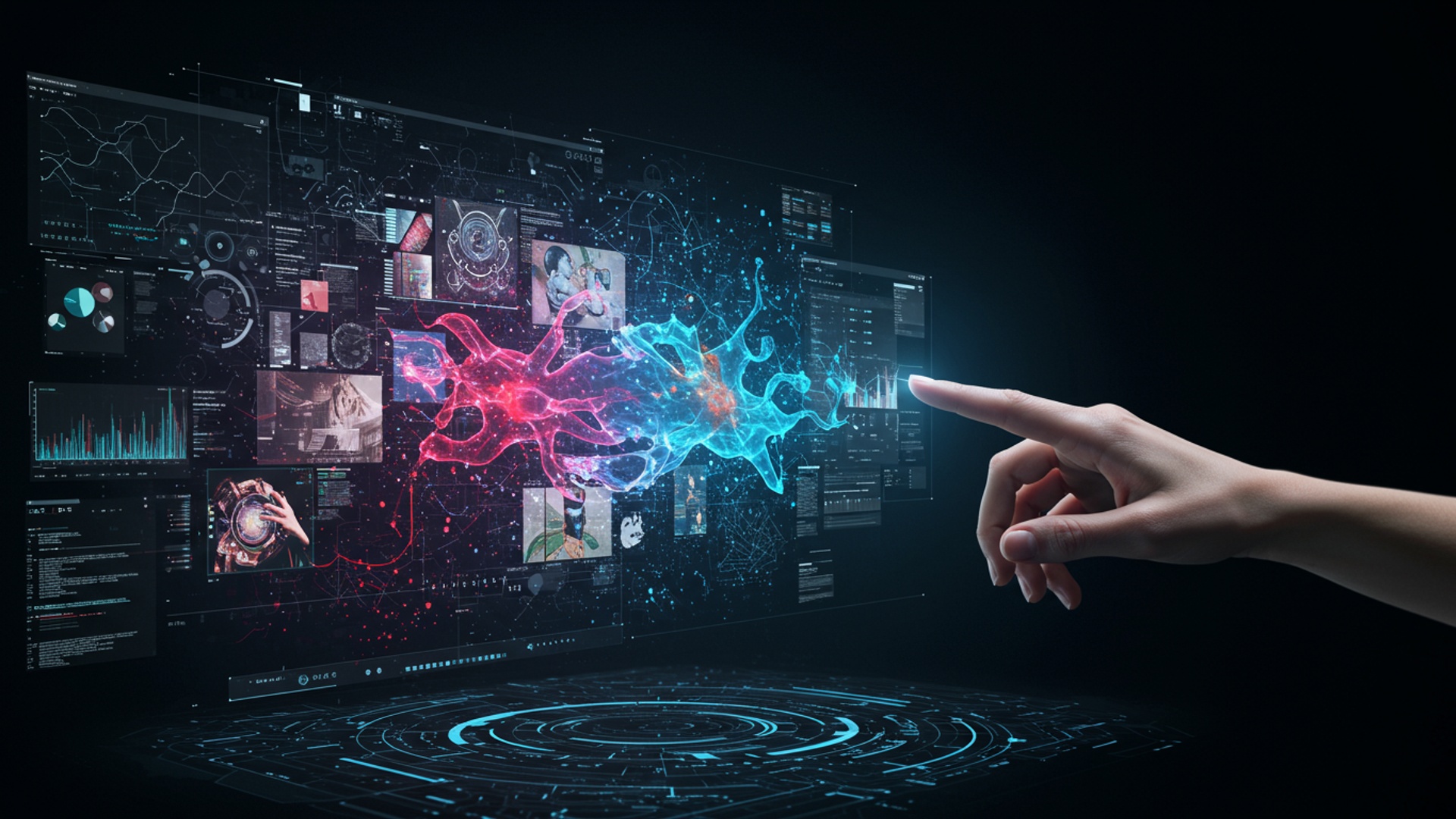
Understanding the World of AI Image Generation
In a rapidly evolving digital landscape, the ability to conjure images from mere words has transitioned from science fiction to everyday reality. AI image generation, often referred to as generative AI, is a revolutionary technology that allows anyone to create unique visual content simply by describing what they want to see. This isn’t just about applying filters or editing existing photos; it’s about generating entirely new, original images that have never existed before, driven by sophisticated artificial intelligence models. For anyone looking to explore the frontiers of digital creativity, mastering the basics of AI image creation is an invaluable skill.
At its core, AI image creation leverages algorithms that have been trained on vast datasets of images and their corresponding text descriptions. This training enables the AI to learn the intricate relationships between words and visual elements, allowing it to “grasp” and then “visualize” concepts based on textual input. Whether you’re a budding artist, a marketer, a content creator, or simply curious about technology, the power of AI image generation opens up a universe of possibilities.
The Magic Behind the Pixels: How AI Image Creation Works
To truly generate amazing AI images, it helps to grasp the fundamental mechanics. Most modern AI image creation tools rely heavily on a class of artificial neural networks known as diffusion models. While the technical details can get quite complex, we can break it down into a simplified process:
- Training Phase
- The “Noise” Concept
- Generation Phase (From Noise to Image)
- Latent Space
Imagine an AI being shown millions, even billions, of images – everything from landscapes and portraits to abstract art and fantastical creatures – each paired with a detailed text description. During this phase, the AI learns to identify patterns, styles, objects. relationships within these images. It understands what a “cat” looks like, how “sunlight” affects a scene, or the characteristics of a “watercolor painting.”
Diffusion models are trained to do two things: add noise to an image until it’s pure static. then, crucially, reverse that process. They learn how to “denoise” an image step by step, gradually restoring it from random noise back into a recognizable picture.
When you give the AI a prompt (e. g. , “a futuristic city at sunset”), the AI starts with a canvas of pure random noise. Based on its training and your prompt, it then iteratively “denoises” this static, slowly shaping it into an image that matches your description. Each step in the denoising process is guided by the AI’s understanding of your text, gradually removing noise in a way that aligns with the visual concepts it has learned.
Think of “latent space” as the AI’s internal, compressed representation of all the visual insights it has learned. When you enter a prompt, the AI navigates this latent space to find the visual concepts that best match your words. then uses the diffusion process to bring those concepts to life as an image.
This iterative process is why generating AI images can sometimes take a few seconds, as the AI is performing many denoising steps to refine the output.
Key Concepts and Terminology in AI Image Creation
Navigating the world of AI image creation requires familiarity with some specific terms. Understanding these will significantly enhance your ability to craft and refine your visual outputs.
- Prompt
- Negative Prompt
This is the most critical element. A prompt is the text description you provide to the AI, instructing it on what image to generate. It can be simple (“a cat”) or highly detailed (“a majestic cat with glowing eyes, sitting on a throne in a medieval castle, volumetric lighting, photorealistic, 8k, cinematic”).
This is a powerful tool where you tell the AI what you don’t want in your image. For example, if you’re generating a portrait and find the AI keeps adding extra fingers, you might include
"ugly, deformed, extra limbs, bad anatomy"
in your negative prompt.
The underlying AI program or algorithm used to generate images. Different models are trained on different datasets and may excel at different styles (e. g. , photorealism, anime, abstract art). Popular models include Stable Diffusion, Midjourney. DALL-E.
These are settings you can adjust to influence the generation process, such as image aspect ratio, style strength, number of steps, or guidance scale.
A numerical value that initializes the random noise the AI starts with. Using the same seed with the same prompt and parameters will typically produce the exact same image, making it useful for reproducing or iteratively refining results.
A technique where you select a specific area of an existing image and use a new prompt to regenerate only that portion. This is great for fixing errors or adding new elements.
The opposite of inpainting, where you extend the canvas beyond the original image and use a prompt to fill in the new areas, effectively expanding the scene.
An advanced technique (often used with Stable Diffusion) that gives users fine-grained control over the AI’s output by providing additional input like depth maps, edge detection, pose estimation, or sketches. This allows you to guide the composition or structure of the generated image precisely.
Choosing Your AI Image Creation Tool: A Comparison
The landscape of AI image creation tools is rich and diverse, with new options emerging regularly. Each platform offers unique strengths, pricing models. user experiences. Here’s a comparison of some popular choices:
| Feature | Midjourney | Stable Diffusion | DALL-E 3 (via ChatGPT Plus/Copilot) |
|---|---|---|---|
| Accessibility | Primarily Discord-based, requires a subscription. Very user-friendly once set up. | Open-source; can be run locally (requires powerful hardware), via web interfaces (e. g. , Automatic1111, ComfyUI), or cloud services (e. g. , DreamStudio, Civitai). More technical setup for local use. | Integrated into ChatGPT Plus (web interface) and Microsoft Copilot. Extremely easy to use, conversational. |
| Strengths | Exceptional for artistic, aesthetic. visually stunning results. Great for imaginative and stylistic images. | Unparalleled control and customization. Vast ecosystem of models, extensions. techniques (ControlNet, inpainting, outpainting). Ideal for specific artistic styles, photorealism. advanced workflows. | Outstanding prompt understanding, especially for complex, multi-clause prompts. Excellent for text integration within images. Highly coherent and context-aware. |
| Learning Curve | Medium. Discord commands are straightforward. mastering prompt engineering for desired aesthetics takes practice. | High for local setup and advanced features; easier with cloud services. Requires understanding of parameters and models. | Low. Conversational interface makes it very intuitive. Just type what you want. |
| Cost | Subscription-based (no free tier for new users). | Free if run locally (hardware cost). Cloud services typically have free tiers or pay-as-you-go options. | Included with ChatGPT Plus subscription or free with Microsoft Copilot. |
| Control & Customization | Good control via parameters. less fine-grained than Stable Diffusion. | Highest level of control. Allows for extensive modification, custom models. detailed composition guidance. | Moderate. Relies heavily on prompt accuracy; fewer direct parameter controls than others. |
My personal experience often involves starting with DALL-E 3 for quick, complex conceptualizations due to its prompt understanding, then moving to Stable Diffusion for highly specific, iterative refinements or stylistic control. Midjourney for breathtaking artistic interpretations when the exact details aren’t as critical as the overall mood and aesthetic. Each tool has its place in a versatile AI artist’s toolkit.
Crafting Effective Prompts: The Art of Communication
The quality of your generated AI images hinges almost entirely on the quality of your prompt. Think of prompt engineering as learning to speak the AI’s language. Here’s how to master it:
- Be Specific, Not Vague
Instead of
"a car"
, try
"a vintage 1960s sports car, bright red, parked on a cobblestone street in Paris, sunny day, lens flare, photorealistic."
Words like “majestic,” “serene,” “vibrant,” “ethereal,” “dramatically,” “subtly” can significantly alter the mood and style.
- Subject
- Scene/Environment
- Style
- Lighting
- Camera Angle/Shot
- Artistic Influences
- Quality Modifiers
What is the main focus? (e. g. , “a lone astronaut,” “a fantastical creature”)
Where is it? What’s the background? (e. g. , “on a desolate alien planet,” “in a bustling cyberpunk city”)
What artistic style? (e. g. , “oil painting,” “digital art,” “hyperrealistic,” “anime,” “synthwave”)
How is it lit? (e. g. , “golden hour lighting,” “neon glow,” “dramatic chiaroscuro”)
(e. g. , “wide shot,” “close-up,” “from above,” “fisheye lens”)
Reference artists or art movements (e. g. , “in the style of Van Gogh,” “impressionist painting”).
Words that emphasize visual fidelity (e. g. , “8K,” “4K,” “photorealistic,” “ultra-detailed,” “cinematic,” “masterpiece,” “award-winning”).
Some AI models give more weight to words at the beginning of the prompt. Experiment with placing your most essential concepts first.
If “beautiful” isn’t working, try “stunning,” “gorgeous,” or “exquisite.”
Some platforms allow you to assign weights to words or phrases to emphasize them. For example, in Stable Diffusion, you might use
(red car:1. 2)
to make “red car” more prominent.
Your first prompt is rarely your best. Generate a few images, observe what works and what doesn’t. then adjust your prompt. It’s an iterative process of trial and error.
- Initial:
"robot in a forest"(Too vague, likely generic results)
- Better:
"a rusty, overgrown robot sitting peacefully in a lush, sun-dappled forest, highly detailed, digital painting."(Adds details, style. quality)
- Even Better:
"a rusty, overgrown humanoid robot with moss and vines, sitting peacefully on a fallen log in a lush, ancient forest. Golden hour sunlight filters through the canopy, creating dappled light on the forest floor. Highly detailed, octane render, cinematic lighting, volumetric fog, digital painting, masterpiece."(More specifics on the robot, environment, lighting. advanced rendering terms for higher quality AI image creation.)
Beyond Basic Prompts: Advanced Techniques
Once you’ve mastered prompt engineering, there are several advanced techniques that can elevate your AI image creation game significantly.
- Image-to-Image (Img2Img)
- ControlNet for Compositional Control
- Canny Edge
- OpenPose
- Depth Map
- Mixing Models and LoRAs
- Upscaling and Image Enhancement
This technique uses an existing image as a starting point, along with a prompt, to generate a new image. The AI uses the structure, colors, or composition of your input image as a guide. This is incredibly useful for stylizing photos, changing elements in a picture, or generating variations of an existing artwork.
As mentioned, ControlNet is a game-changer, especially for Stable Diffusion. It allows you to provide an input image not just for style. for precise structural guidance. For instance:
Provide a line drawing. the AI will generate an image based on those edges.
Give it a stick figure. the AI will generate a character in that exact pose.
Guide the AI with a depth map to ensure elements are placed correctly in 3D space.
This level of control transforms AI image creation from a lottery into a precise artistic instrument, allowing you to dictate specific poses, layouts, or even replicate the composition of a photograph.
Many advanced users of platforms like Stable Diffusion leverage custom models (finetuned versions of the base model) or LoRAs (Low-Rank Adaptation), which are small add-on files that can teach a model a specific style, character, or object. This allows for incredibly niche and high-quality results, far beyond what generic models can produce. For example, you might combine a photorealistic model with a LoRA trained on a specific anime character to generate that character in a realistic style.
After generating an image, you might want to increase its resolution or enhance its details. Many tools offer built-in upscalers, or you can use dedicated AI upscaling software (e. g. , Real-ESRGAN, Gigapixel AI). These tools use AI to intelligently add detail and resolution, rather than just stretching pixels.
Real-World Applications and Use Cases for AI Image Creation
The impact of AI image creation extends far beyond just generating pretty pictures. It’s revolutionizing industries and empowering individuals in countless ways:
- Art and Design
- Marketing and Advertising
- Content Creation and Blogging
- Game Development
- Architecture and Interior Design
- Education and Research
- Personal Projects and Hobbies
Artists are using AI as a co-creator, generating inspiration, exploring new styles, or even creating entire art pieces. Graphic designers can rapidly prototype concepts, generate unique textures, or create custom icons and illustrations for clients. Imagine a designer needing a specific type of background for a website; instead of searching stock photos, they can generate a unique one in seconds.
Businesses can create bespoke marketing visuals, social media content. ad creatives tailored to specific campaigns and audiences, all without the need for expensive photoshoots or stock photo licenses. This significantly reduces costs and time-to-market. For example, a small business can generate multiple variations of a product ad for A/B testing in minutes.
Bloggers, YouTubers. content creators can quickly generate compelling header images, thumbnails. visual aids to accompany their articles and videos, making their content more engaging and professional. This dramatically speeds up the visual asset creation process.
Developers are using AI to generate textures, concept art for characters and environments. even create dynamic in-game assets, accelerating the asset creation pipeline.
Architects and designers can visualize concepts, generate different material options, or quickly iterate on design ideas for clients, providing a powerful tool for conceptualization.
Educators can generate custom diagrams, illustrations. visual examples to explain complex concepts, making learning more interactive and accessible. Researchers can visualize abstract data or theoretical models.
From creating custom avatars and fan art to visualizing story ideas or just having fun exploring creativity, AI image creation empowers individuals to bring their imagination to life without needing traditional artistic skills. My own experience includes generating unique artwork for Dungeons & Dragons campaigns, helping players visualize their characters and the world around them.
Ethical Considerations and Responsible AI Image Creation
While the capabilities of AI image creation are awe-inspiring, it’s crucial to address the ethical considerations that come with such powerful technology. Responsible use is paramount.
- Bias in Datasets
- Copyright and Ownership
- Deepfakes and Misinformation
- Job Displacement and Creative Industries
- Consent and Privacy
AI models learn from the data they are trained on. If the training data contains biases (e. g. , underrepresentation of certain groups, perpetuation of stereotypes), the AI can reproduce and even amplify those biases in its generated images. For instance, prompting for “CEO” might predominantly generate images of men. Users should be aware of this and actively try to counteract it in their prompts or by selecting diverse models.
The legal landscape around AI-generated art and copyright is still evolving. Questions arise about who owns the copyright to an image generated by AI: the user who wrote the prompt, the company that developed the AI, or is it uncopyrightable? It’s vital to check the terms of service of the specific AI tool you are using regarding commercial use and ownership.
The ability to generate highly realistic images and manipulate existing ones raises concerns about deepfakes – fabricated media that can be used to spread misinformation, defame individuals, or create deceptive content. Responsible users must commit to using AI for ethical and transparent purposes and be critical of content they encounter online.
There are ongoing discussions about how AI might impact jobs in creative fields. While AI can automate certain tasks, many believe it will also create new roles and empower human creativity, acting as a tool rather than a replacement. The key is to adapt and integrate AI into workflows.
Generating images of real individuals without their consent, especially in compromising situations, is a serious ethical violation. Always prioritize privacy and consent. avoid generating harmful or exploitative content.
As creators, we have a responsibility to use these tools thoughtfully, ethically. with an awareness of their potential impact on society.
Tips for Beginners and Aspiring AI Artists
Ready to dive into the exciting world of AI image creation? Here are some actionable tips to help you get started and excel:
- Start Simple, Then Elaborate
- Learn from Others
- Use Reference Images
- Master Negative Prompts
- Experiment with Parameters
- Curate and Iterate
- interpret Your Tool
Don’t try to cram everything into your first prompt. Begin with a clear subject and a basic style, then gradually add details, modifiers. artistic directions as you see how the AI responds.
Many AI art communities (Discord servers, Reddit forums like r/StableDiffusion or r/midjourney) share prompts and results. Study what makes a good prompt by dissecting the prompts that generated images you admire.
If you have a specific vision, sometimes it helps to find a reference image (e. g. , a photo for lighting, a painting for style) and describe elements from it in your prompt. Some tools also allow image uploads for guidance.
Don’t underestimate the power of telling the AI what not to do. This can significantly clean up your images and prevent common artifacts.
Don’t just stick to default settings. Play around with aspect ratios, style weights, or guidance scales. A slight tweak can sometimes yield dramatically different and better results.
Treat AI image creation like sculpting. Generate multiple variations, pick the best ones. then use those as inspiration for your next set of prompts or as input for image-to-image transformations. Don’t be afraid to generate dozens or even hundreds of images to find the perfect one.
Each AI platform has its quirks and strengths. Spend time understanding the specific features and prompt syntax of your chosen tool. For example, Midjourney has unique parameters like
--stylize
and
--weird
, while Stable Diffusion offers extensive control via ControlNet.
Keep a log of prompts that produce great results. This will save you time and help you build a library of effective prompt components.
AI can sometimes produce surprisingly creative or bizarre results that you didn’t anticipate. Don’t always discard these; sometimes, the “mistakes” lead to unique artistic discoveries.
Conclusion
You’ve journeyed through the intricacies of generating incredible AI images, understanding that while the technology is powerful, your creative input remains paramount. The real magic happens not just in clicking ‘generate’. in the iterative refinement of your vision through precise prompt engineering. I’ve personally found that treating each prompt as a nuanced conversation with the AI, much like directing a film, consistently yields surprising and richer results. Don’t be afraid to experiment with stylistic modifiers like “cinematic lighting, volumetric fog” or “impressionistic brushstrokes” to truly sculpt your output. As the landscape of AI tools like Midjourney and Stable Diffusion evolves, staying current with new parameters and model updates is key to unlocking even greater control and fidelity. Embrace deliberate experimentation; try inverting your prompts or focusing on negative prompts to refine specific elements. This isn’t merely about creating images. about translating your imagination into tangible visuals. So, keep pushing the boundaries, keep iterating. let your creativity flourish in this exciting new frontier.
More Articles
Master the Art of Crafting AI Prompts for Amazing Results
Mastering Gemini Prompts for Stunning AI Image Generation A Complete Guide
Your Practical Guide to Stunning Gemini Image Creation
Unlock Unlimited Ideas AI Secrets for Creative Brainstorming 
FAQs
What exactly is ‘Generate Amazing AI Images A Complete Visual How To’ all about?
This guide is your ultimate visual roadmap to creating stunning AI-generated images, even if you’re a complete beginner. It breaks down complex concepts into easy-to-follow, step-by-step visual instructions.
Who is this visual guide perfect for?
It’s designed for anyone curious about AI art – from complete beginners looking to get started, to digital artists wanting to integrate AI into their workflow, or just creative individuals eager to explore new possibilities with image generation.
Do I need to be tech-savvy or have prior experience with AI to use this guide?
Absolutely not! This ‘how-to’ is built for everyone. It starts with the basics and uses a highly visual approach to make sure you can follow along easily, regardless of your technical background or prior AI knowledge.
What kind of AI image creation techniques will I learn?
You’ll dive into everything from crafting effective prompts, understanding different AI models, refining your outputs, to advanced techniques for achieving specific styles and effects – all explained with clear visual examples.
The title mentions ‘visual.’ How does that help me learn AI image generation?
Unlike text-heavy guides, this one relies heavily on screenshots, diagrams. illustrative examples to show you exactly what to do at each step. It’s like having an expert looking over your shoulder, guiding you visually through the entire process.
Will this guide help me create images for commercial use or just personal fun?
While it’s certainly fun for personal projects, the skills you’ll gain are professional quality. You’ll learn techniques that can be applied to create images for marketing, design, content creation, or any other commercial endeavor.
What AI image generation tools or platforms does the guide focus on?
The guide covers widely accessible and popular AI image generation platforms, providing foundational knowledge that can be applied across various tools. It emphasizes core principles and practical application, ensuring relevance regardless of specific software versions.